Cornelis Chastelein's Will of 1714 and the Beginnings of the Depok Community
By Dalo · 6 min read
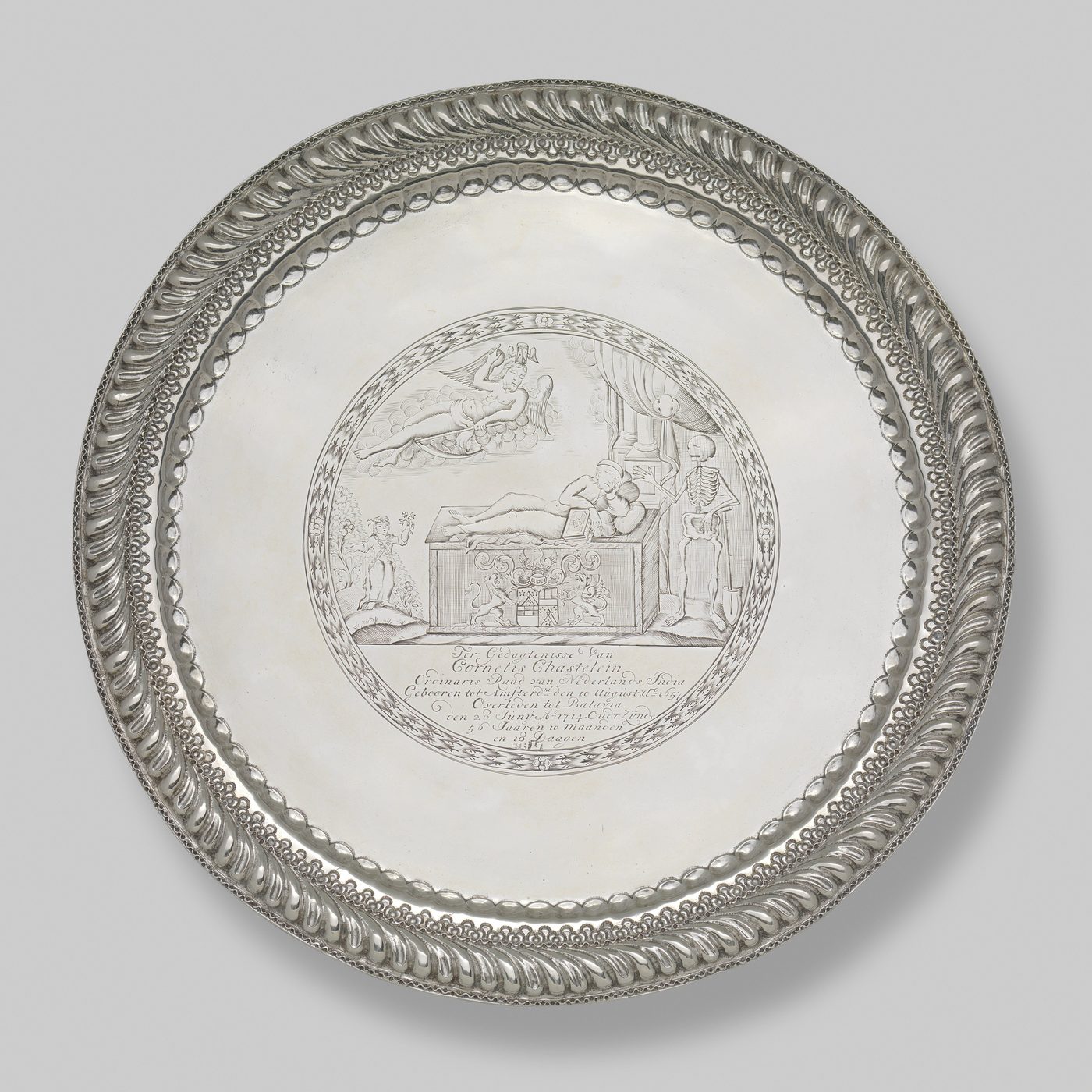
On 13 March 1714 Cornelis Chastelein, a member of the Council of the Indies in Batavia, signed a will that freed at least one hundred and fifty Christians whom he enslaved, together with their children and grandchildren, and bequeathed to them the lands of Mampang, Depok, and Caranganjer west of the great river, to be owned and used in common for ever. The next day he signed a codicil that set out how that community would be governed, and on 28 June 1714 he died. From that will the Depok community was born; it endured for more than two centuries, came to govern itself, and defended its land in colonial courtrooms.
This article answers basic questions about that will and its community, and shows where the historical material begins to disagree.
Who was Cornelis Chastelein?
Chastelein's life is known mainly from two writings that are not archival: the biography compiled by the minister J. Beukhof (1895) and the serial "Het Land Depok" in the daily De Locomotief (1917). According to Beukhof, he was born in Amsterdam on 10 August 1657. He arrived in Batavia in 1675, rose in rank in the service of the Company (VOC), and then spent most of his time on his country estate, Seringsing. In 1704 he joined the Council of the Indies, and from 1708 he was a full member of it.
The book Depok 1714 stresses that Chastelein was not an opponent of slavery. He was a senior Company official and a landowner, whose wealth grew within the same colonial order as the people he enslaved.
Where was the inherited land?
The inherited land lay between the Ciliwung and the Pesanggrahan, south of Batavia. The 1714 will records the origin of each parcel: Mampang and Depok were acquired in 1696, Caranganjer in 1712, plus two small plots on the eastern bank of the river as protection for the village of Depok. Seringsing remained the property of the Chastelein family and was not part of the inheritance.
The origin of the name Depok is not discussed in this book. All that is recorded is that in the 1714 will Depok is the name of one of those parcels of land. Even the name of the person who sold the Depok parcel to Chastelein is not written the same way in all sources, and the original deed of purchase has not been examined.
Who was freed?
The emancipation clause names the enslaved Christians, old and young, together with their children and grandchildren, no fewer than one hundred and fifty people. The will and codicil also contain dozens of individual names, with descriptions of origin recorded by their master, most often from Bali and Makassar. In 1714 these people were known by personal names and origins, without family names.
Who exactly was covered by that freedom, and whether it was only the baptised, turns out to be less simple than the wording of its first clause. That freedom was also conditional and layered, and the land bequeathed was not empty when it was handed over. The book reads the will and codicil clause by clause, and the chapter that follows the names in them, Chapter 5 The Names in the Will, can be read free of charge.
How was the Depok community governed?
The codicil of 14 March 1714 appointed a head with seven council members, who settled disputes by majority vote in the open, and a teacher who every Sunday read the Ten Commandments, the creed, and prayers. The head's successor was to be chosen by the freed people themselves.
The Batavia government did not simply accept that design. Which parts were allowed to stand and which were rejected, the book reads from the extract of a resolution of 1714. The available sources do not even agree on the date from which those people were actually free.
Twelve families and the Depok family names
The Depok community is often said to descend from twelve families. Family names that appear in sources from the nineteenth and early twentieth centuries include Jonathans, Laurens, Loen, Bacas, Leander, Isakh, Soedira, and Tollense. The book cautions that a similarity of form between names in the 1714 text and family names known later does not by itself prove descent.
So where does the figure of twelve come from? The book Depok 1714 traces it through the old press from the mid-nineteenth century to the late twentieth century, and what it finds is worth reading for yourself.
The Depok land in court
The land bequeathed "for ever" was not spared from legal challenge. In the nineteenth century cases about the Depok land reached the Hooggerechtshof, the highest court in the Indies, more than once, among other occasions when the Batavia-Buitenzorg railway cut across that land. In the 1930s debate also took place within the community itself, about who was entitled to a share of the land. How the descendants of the freed people defended their rights, the book tells from the texts of the judgments and the news reports of the time.
October 1945 and the Gedoran Depok
In October 1945, in the early months of the revolution, Depok was attacked and looted. In Indonesian memory and writing this event is known as the Gedoran Depok. Most of the material about it comes from the Dutch-language press, official documents of the Republic have not been found, and the dates and the number of victims are still disputed.
Depok 1714 states the limits of its material openly. According to the book, the suffering of the Depok people was real, as was the violence suffered by the Indonesian population around them, which is far less recorded. After the revolution, the private estate of Depok became state land as part of the general abolition of private estates.
What is not yet known
- The complete list of the one hundred and fifty Christians who were freed, which is not contained in the surviving text of the will.
- The original manuscript of the will; its text is known only from copies.
- Who the residents were who already lived on that land before 1714, and what happened to them afterwards.
- When, by whom, and by what rules the figure of twelve families was fixed.
Questions and answers
Who was Cornelis Chastelein?
A senior VOC official, born in Amsterdam in 1657, who died in Batavia on 28 June 1714 as a full member of the Council of the Indies. Through his will he freed the Christians whom he enslaved and bequeathed to them the land of Depok.
What did Chastelein's will of 1714 contain?
The will of 13 March 1714 freed at least one hundred and fifty Christians whom he enslaved, together with their descendants, and gave them land to own in common, without the right to sell it. The codicil of 14 March set out the head, the council, and the teacher of that community.
What are the Depok family names?
The family names recorded include Jonathans, Laurens, Loen, Bacas, Leander, Isakh, Soedira, and Tollense. The origin of the figure of twelve families is discussed in the book.
What was the Gedoran Depok?
The name given to the attack on and looting of Depok in October 1945. The exact dates, the number of victims, and its background cannot yet be established from the available sources.
Read the full story
The book Depok 1714 by Dalo reads Chastelein's will and codicil clause by clause, follows the names in them, and then traces the community born of that will up to the end of the private estate. Begin with Chapter 1 Why Depok 1714?, then meet its people in Chapter 5 The Names in the Will; both can be read free of charge. The full book (in Indonesian) is open to Motivasi Kasih subscribers.
Source
This article is summarised from the book Depok 1714: Slavery, Christianity, Land, and the Birth of a Community; its full source notes are in the book.